While headlines are dominated by conflicts, elections, and market fluctuations, a quieter but more fundamental crisis is unfolding worldwide: the global water scarcity emergency. From drought-stricken farmlands to overcrowded cities, the availability of fresh water is becoming a defining issue of the 21st century, reshaping international relations, economic stability, and human migration patterns.
What was once considered a regional environmental concern has rapidly escalated into a global security threat. The World Bank estimates that water scarcity could cost some regions up to 6% of their GDP by 2050, while the United Nations warns that water stress affects every continent. This isn't just an environmental issue—it's a geopolitical time bomb with far-reaching consequences.

The Scale of the Crisis: By the Numbers
The statistics paint a alarming picture of our global water situation. According to the UN World Water Development Report, the world faces an unprecedented water crisis that demands immediate attention:
- 2.3 billion people live in water-stressed countries
- Global freshwater demand is projected to exceed supply by 40% by 2030
- Agriculture accounts for 70% of global freshwater withdrawals
- Over 80% of wastewater is discharged untreated into the environment
- Climate change is intensifying both droughts and floods, disrupting water cycles
Geopolitical Flashpoints: Water as the New Oil
Water scarcity is increasingly becoming a source of international tension and conflict. Several regions have emerged as potential flashpoints where water disputes could escalate into broader conflicts:
The Middle East: River Rivalries
The Tigris-Euphrates basin, shared by Turkey, Syria, Iraq, and Iran, has seen increasing tension as upstream dam projects in Turkey reduce water flow to downstream neighbors. Similarly, disputes over the Jordan River basin continue to affect relations between Israel, Jordan, and Palestine.
South Asia: Himalayan Tensions
China's dam-building projects on the Brahmaputra River have raised concerns in India and Bangladesh, while the Indus Water Treaty between India and Pakistan faces increasing strain as water becomes scarcer.
Africa: Transboundary Challenges
The Nile River basin remains a source of tension between Ethiopia, Sudan, and Egypt, particularly regarding Ethiopia's Grand Ethiopian Renaissance Dam project.

Economic Impacts: When Water Stops Flowing, Economies Stop Growing
The economic consequences of water scarcity extend far beyond the obvious agricultural impacts. According to analysis from the World Bank Water Global Practice, water insecurity threatens multiple sectors:
- Manufacturing: Water-intensive industries like textiles, mining, and energy production face operational risks
- Energy Production: Thermal power plants require massive amounts of water for cooling
- Tourism: Water shortages can devastate destinations dependent on natural attractions
- Supply Chains: Water disruptions in one region can affect global production networks
Climate Change Connection: The Accelerator
Climate change acts as a threat multiplier for water scarcity. The IPCC Sixth Assessment Report highlights several critical connections:
- Changing precipitation patterns are making some regions drier and others wetter
- Glacial melt is affecting long-term water availability for billions of people
- Sea-level rise is causing saltwater intrusion into coastal aquifers
- Extreme weather events are damaging water infrastructure
Innovative Solutions: From Technology to Governance
Despite the grim outlook, innovative solutions are emerging worldwide to address water scarcity:
Technological Advances
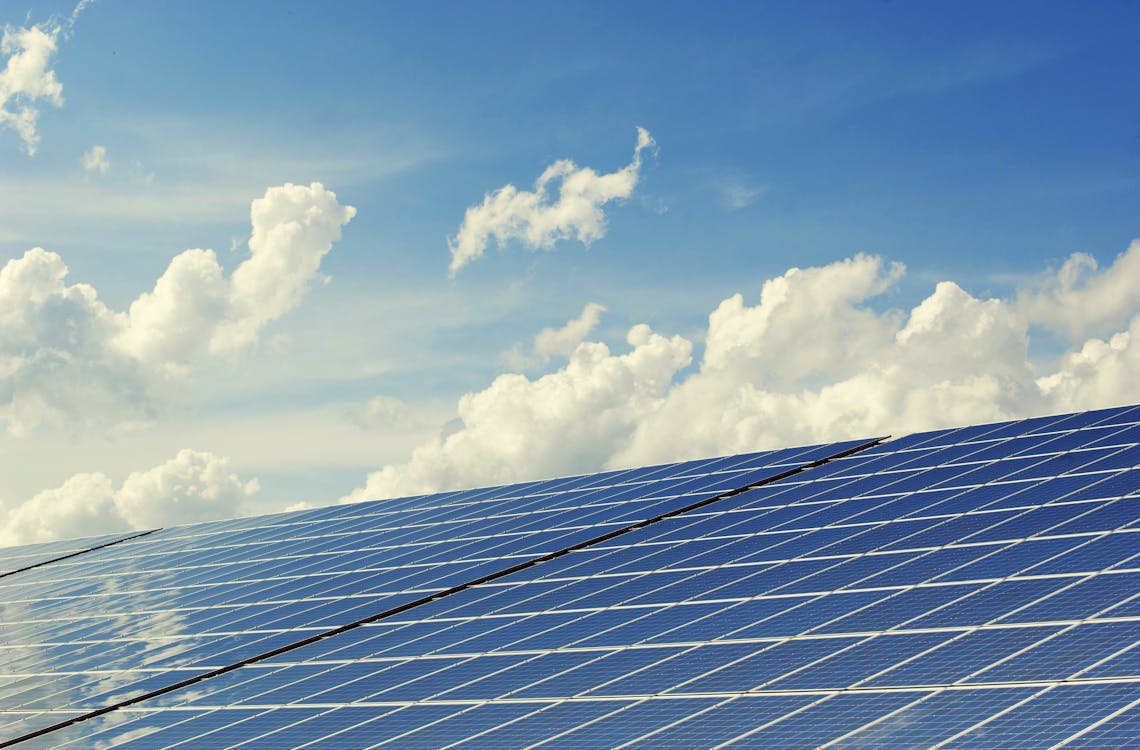
- Solar-powered desalination becoming more affordable
- AI-powered irrigation systems reducing agricultural waste
- Atmospheric water generation technology advancing rapidly
- Smart water grids with leak detection capabilities
Policy and Governance
- Integrated water resource management approaches
- Water pricing reforms to encourage conservation
- Transboundary water cooperation agreements
- Urban water recycling and reuse programs
The Human Dimension: Migration and Social Stability
Water scarcity is increasingly driving human migration and social unrest. The World Bank estimates that water shortages could displace up to 700 million people by 2030. We're already seeing:
- Rural-to-urban migration as agricultural lands become unproductive
- Cross-border movements in water-stressed regions
- Social protests over water access in major cities worldwide
- Gender impacts, as women and girls often bear the burden of water collection
Conclusion: A Call for Global Water Stewardship
The water scarcity crisis represents one of the most significant challenges of our time, intersecting with climate change, economic development, and international security. Unlike many global problems, this one touches every aspect of human life and every nation on earth.
Addressing this crisis requires a fundamental shift in how we value, manage, and share water resources. It demands cooperation across borders, innovation across sectors, and commitment across generations. The solutions exist—what's needed is the political will and collective action to implement them at scale.
As we navigate an increasingly water-insecure world, one thing becomes clear: how we manage our most precious resource will define not just our environmental future, but our political stability, economic prosperity, and ultimately, our global security. The time for action is now, before the wells run dry and the tensions boil over.

No comments:
Post a Comment