
I remember exactly where I was during major world events of the past decade—not because I was watching television news or reading newspapers, but because I was scrolling through Twitter, watching live streams from protesters' smartphones, and reading firsthand accounts from people experiencing history as it unfolded. The way we consume and understand global current affairs has fundamentally transformed, and if you're still relying solely on traditional news sources, you're missing crucial perspectives on world events.
As someone who has covered international news through both traditional and digital channels, I've witnessed this revolution firsthand. The gatekeepers who once controlled what stories were told and how they were framed no longer hold exclusive power. Today, anyone with a smartphone can broadcast breaking news globally within seconds. This democratization of news has created both incredible opportunities and significant challenges for understanding our complex world. Let me share insights about how this transformation is reshaping global journalism and what it means for staying truly informed about world affairs.
The Decline of Traditional News Monopolies
Twenty years ago, most people received their international news from a handful of sources: major television networks, established newspapers, and wire services. These institutions employed professional journalists with resources to report from conflict zones, interview world leaders, and investigate complex international stories. Their editorial standards, while imperfect, provided some reliability regarding accuracy and context.
This model is collapsing, though not disappearing entirely. Newspaper revenues have plummeted as advertising moved online. Network news viewership continues declining, especially among younger demographics. Many respected publications have shuttered international bureaus due to budget constraints. The infrastructure of traditional foreign correspondence—once robust—has significantly contracted.
This isn't entirely negative. Traditional news media often reflected Western perspectives and priorities, underrepresenting voices from developing nations and marginalized communities. Editorial decisions about which international stories warranted coverage frequently reinforced existing power structures and stereotypes. The monopoly's decline has created space for diverse voices and perspectives previously excluded from mainstream discourse.
According to research on digital journalism, this transition represents one of the most significant shifts in how humanity shares and consumes information about current events since the invention of the printing press.
The Rise of Citizen Journalism and Eyewitness Accounts
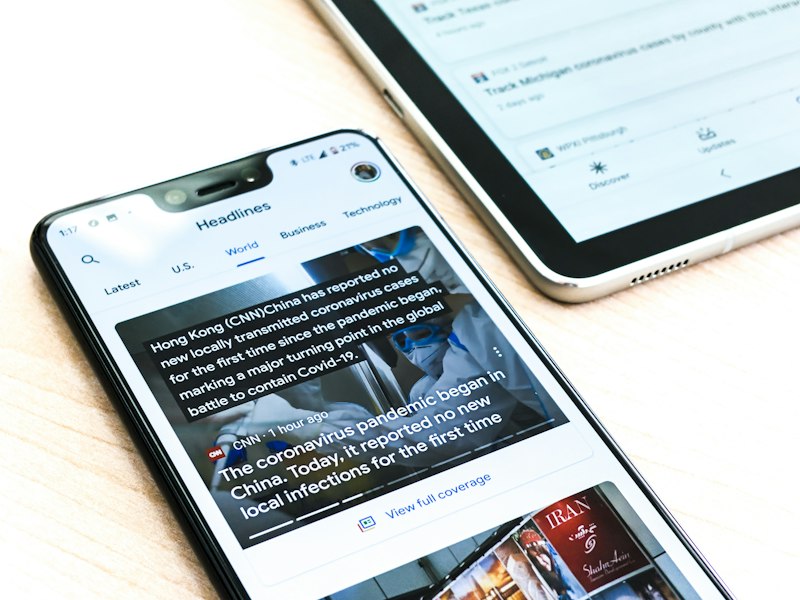
The most dramatic change in global news coverage is the emergence of citizen journalism—ordinary people documenting and sharing events happening around them. During major international incidents, some of the most compelling footage and firsthand accounts now come not from professional journalists but from people who happened to be present with smartphones.
I've personally broken international stories by aggregating and verifying information from social media users on the ground before traditional media even arrived at the scene. During natural disasters, political upheavals, or breaking events, Twitter, Facebook, and increasingly TikTok provide real-time updates that outpace conventional news cycles by hours or even days.
This shift has profound implications:
- Speed of Information: News travels instantaneously. Within minutes of significant events, videos, photos, and eyewitness accounts circulate globally. Traditional news organizations now often cite and verify social media content rather than breaking stories independently.
- Diverse Perspectives: We can now access viewpoints from people directly experiencing events rather than filtered through foreign correspondents' interpretations. During international protests or conflicts, we hear directly from participants across different sides rather than through single-narrative reporting.
- Accountability and Transparency: Governments and institutions can no longer control narratives as easily. When authorities claim certain events didn't occur, contradictory video evidence often emerges from multiple citizen sources, making propaganda less effective.
- Geographic Reach: Stories from regions previously ignored by Western media gain attention when local citizens can share their experiences directly with global audiences. This has particularly benefited coverage of African, Asian, and Latin American affairs often marginalized by traditional media.
Comparing Traditional vs. Digital News Consumption
Having worked across both traditional and digital news environments, I've observed distinct advantages and disadvantages to each approach:
Traditional News Media (TV, Newspapers, Radio):
- Strengths: Professional editorial standards; fact-checking processes; experienced journalists with contextual knowledge; investigative resources; legal protections and accountability; archive and institutional memory
- Weaknesses: Slower to break stories; limited geographic coverage; editorial biases; expensive paywalls; declining resources; Western-centric perspectives; susceptible to government pressure
- My Experience: Traditional outlets excel at investigative journalism and providing historical context. Their editorial processes, while imperfect, generally prevent misinformation that spreads unchecked on social media.
Digital and Social Media News:
- Strengths: Immediate updates; diverse voices and perspectives; direct access to primary sources; interactive engagement; multimedia content; global reach; free access; bypasses censorship
- Weaknesses: Misinformation spreads rapidly; lack of fact-checking; difficulty verifying sources; echo chambers and algorithmic bias; emotional manipulation; no editorial accountability; superficial coverage
- My Experience: Social media provides unfiltered access to global events and voices excluded from mainstream discourse. However, separating signal from noise requires significant media literacy and critical thinking skills.
My Honest Assessment: Neither approach is sufficient alone. The ideal news consumption strategy combines both: follow trusted traditional outlets for in-depth analysis and investigative reporting, while monitoring social media for breaking developments, diverse perspectives, and stories traditional media overlooks. Develop skills to verify information independently rather than relying solely on either source's credibility.
The Misinformation Crisis in Global News
The democratization of news creation has an unavoidable downside: misinformation spreads faster and more convincingly than ever before. During major international events, I've watched false information—sometimes deliberately planted propaganda, sometimes innocent misunderstandings—circulate millions of times before corrections reach tiny fractions of that audience.
Deepfakes, manipulated images, out-of-context videos, and coordinated disinformation campaigns complicate efforts to understand what's actually happening during breaking international events. State actors and partisan groups exploit social media's viral nature to shape narratives, sow confusion, and undermine trust in legitimate reporting.
The challenge isn't just identifying false information but the sheer volume requiring verification. Traditional journalism's gatekeeping function—while imperfect and sometimes censorious—did filter out obviously false information before publication. Social media has no equivalent filter, making media literacy essential for informed citizenship.
Strategies for Staying Truly Informed About Global Affairs

Based on years navigating this complex information landscape, here are practices I recommend for staying genuinely informed about world events:
Diversify Your Sources: Follow news outlets from different countries and perspectives. International events look very different depending on whether you're reading American, European, Asian, or African coverage. Al Jazeera, BBC, Reuters, Associated Press, and regional outlets provide varying angles on the same stories.
Verify Before Sharing: When you encounter dramatic claims or footage, pause before amplifying. Check if multiple credible sources confirm the information. Look for original sources rather than screenshots. Use reverse image search to verify photos aren't from different contexts or times.
Follow Subject Matter Experts: Academics, analysts, and journalists specializing in specific regions or topics provide valuable context that breaking news often lacks. Their expertise helps interpret events within broader historical and political frameworks.
Understand Algorithmic Bias: Social media platforms show you content their algorithms think you'll engage with, creating echo chambers that reinforce existing beliefs. Actively seek perspectives that challenge your assumptions to avoid informational bubbles.
Read Beyond Headlines: Headlines are designed for clicks, not accuracy. Many people share articles based solely on headlines without reading content, spreading misunderstandings. Read full articles before forming or sharing opinions.
Recognize Your Own Biases: We all have political, cultural, and ideological biases that affect how we interpret information. Acknowledging these biases helps evaluate sources more objectively. Information confirming what you already believe deserves extra scrutiny, not less.
Support Quality Journalism: Good journalism costs money. If you value accurate reporting, consider paying for subscriptions to quality outlets. Free content often relies on advertising models that incentivize sensationalism over accuracy.
For broader context on news media evolution and current challenges, this comprehensive resource on news media provides valuable historical and contemporary perspective.
The Future of Global News Coverage
Looking ahead, several trends will likely shape how we consume and understand international current affairs:
AI-Generated Content: Artificial intelligence is already writing basic news articles and will increasingly supplement human journalists. This could democratize news production further but also introduces new authenticity challenges as AI-generated content becomes indistinguishable from human-created material.
Blockchain Verification: Some news organizations are exploring blockchain technology to verify content authenticity and track information provenance. This could help combat misinformation by creating transparent chains of verification.
Hyperlocal Global Networks: Rather than foreign correspondents parachuting into international stories, networks of local journalists are sharing content globally through collaborative platforms. This preserves local perspective while achieving international reach.
Subscription and Membership Models: As advertising revenue continues declining, more news outlets will likely shift to direct reader support through subscriptions, memberships, or donations. This could improve content quality by aligning incentives with reader value rather than advertiser preferences.
Regulatory Challenges: Governments worldwide are grappling with how to regulate social media and digital news without infringing on free speech. The balance struck between preventing misinformation and preserving open discourse will profoundly impact global news landscapes.
Conclusion: Navigating the New News Landscape
The transformation of global news from centralized traditional media to decentralized digital platforms represents both tremendous opportunity and significant challenge. We have unprecedented access to diverse perspectives, real-time information, and voices previously excluded from mainstream discourse. Simultaneously, we face misinformation, fragmentation, and the collapse of shared factual foundations that healthy democracies require.
Staying truly informed about global current affairs today requires active effort and critical thinking. It means consuming news from multiple sources, verifying information independently, understanding our own biases, and recognizing that both traditional and digital media have strengths and weaknesses.
The democratization of news production is irreversible and, on balance, positive for global understanding. But it demands that news consumers develop sophisticated media literacy skills to navigate this complex landscape effectively. We can no longer passively receive information from trusted gatekeepers—we must actively participate in evaluating, verifying, and contextualizing the constant flood of information about world events.
The future of informed citizenship depends on our collective ability to adapt to this new reality. By developing critical media literacy skills, supporting quality journalism, and maintaining intellectual humility about the limits of our knowledge, we can harness the benefits of digital news revolution while mitigating its dangers. The stakes—understanding our interconnected world and making informed decisions about global challenges—couldn't be higher.

No comments:
Post a Comment